In short
- October to March offers cool, dry weather for cycling.
- Late August hosts the traditional Bonderam festival.
- Monsoons (June to September) bring heavy rain but lush greenery.
In this article
Divar Island is an outdoor destination best explored on foot, by bicycle, or by scooter. Choosing the right season determines how comfortably you can navigate its narrow village lanes, ancient ruins, and dense mangroves.
What is the best time of year to visit Divar Island?
October to March provides the most comfortable weather for exploring the island.
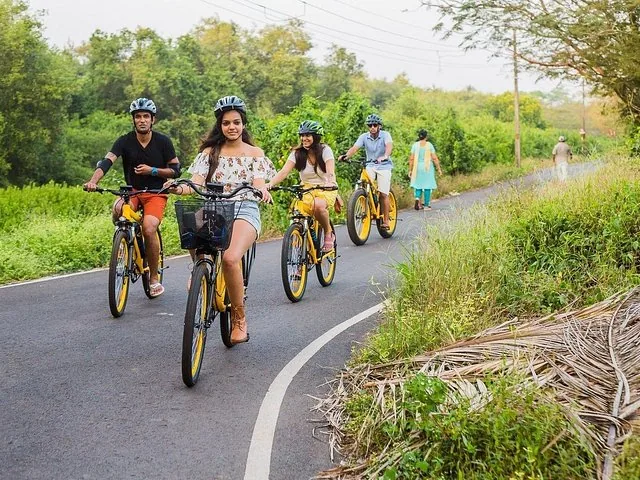
Temperatures are cooler, and humidity drops significantly. October brings lush green fields immediately following the heavy monsoon rains. The cooler winter months are perfect for renting a scooter or booking an e-bike tour to see the villages without overheating.
When is the Bonderam festival celebrated?
The festival takes place annually on the fourth Saturday of August.
This traditional event draws large crowds to the island. Locals celebrate with parades, music, and mock battles commemorating past property disputes. If you visit during this time, expect heavier traffic on the free passenger ferries from Ribandar and Old Goa.

Can I visit Divar Island during the monsoon?
Yes, but you will encounter heavy rain and high humidity from June to September.
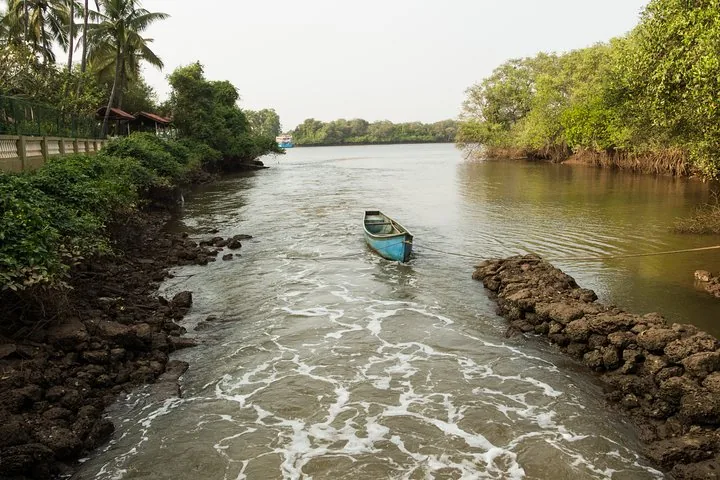
The monsoon turns the paddy fields and mangroves bright green, but outdoor sightseeing becomes difficult. You must pack an umbrella or a raincoat. Exercise extreme caution near the sluice gates and river edges, as water levels run high during these months.
What should I wear for the weather on Divar Island?
Pack light, breathable cotton clothing and sun protection for Goa's tropical climate.
You will need a wide-brimmed hat, sunglasses, and sunscreen for daytime cycling or walking. Comfortable walking shoes are required for uneven terrain near the Naroa Fort ruins. Modest clothing that covers shoulders and knees is strictly required for entering the historic churches.
Are guided tours available year-round?
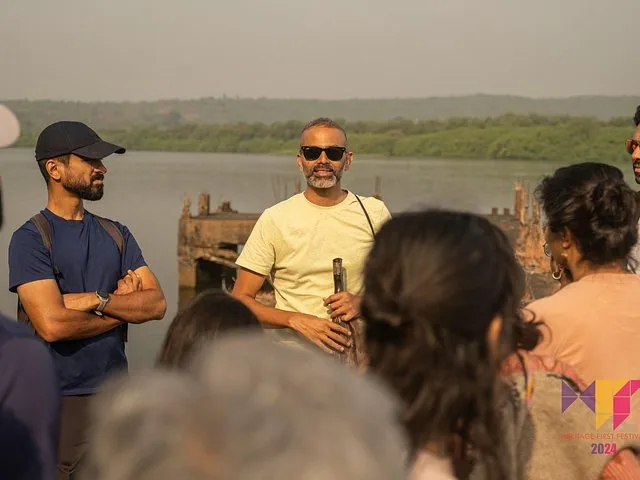
Yes, guided walking and cycling tours operate year-round, though they may pause during heavy monsoon downpours.
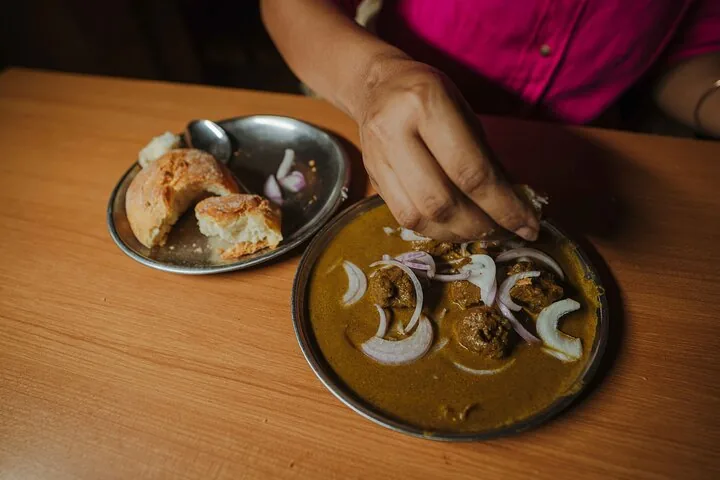
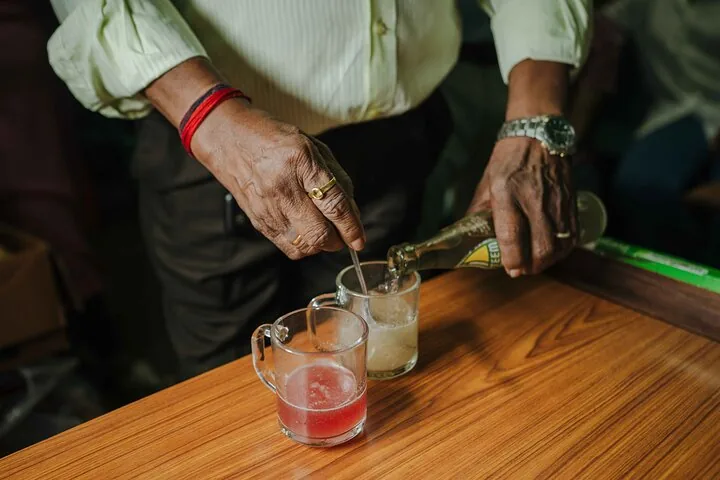
Tours last 3 to 6 hours and cost between INR 1,500 and INR 3,500. They typically include your ferry crossing, visits to heritage sites, and a traditional meal. Booking a guided tour helps you navigate the sparse 10-kilometer island efficiently in any season.
Do Divar Island ferries run during bad weather?
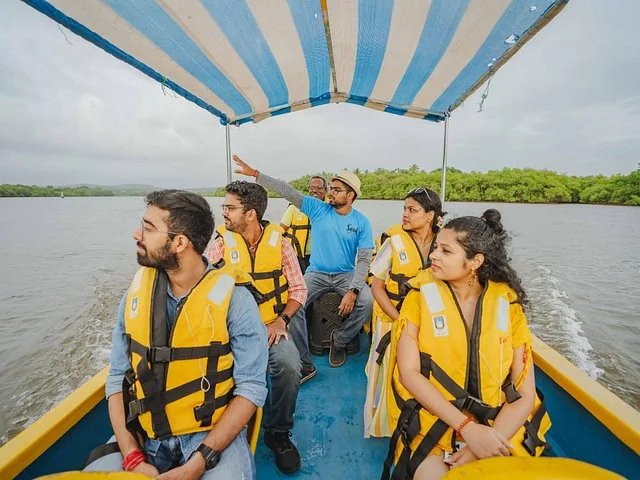
The ferries operate 24/7 throughout the year, but schedules can face slight delays during severe monsoon storms.
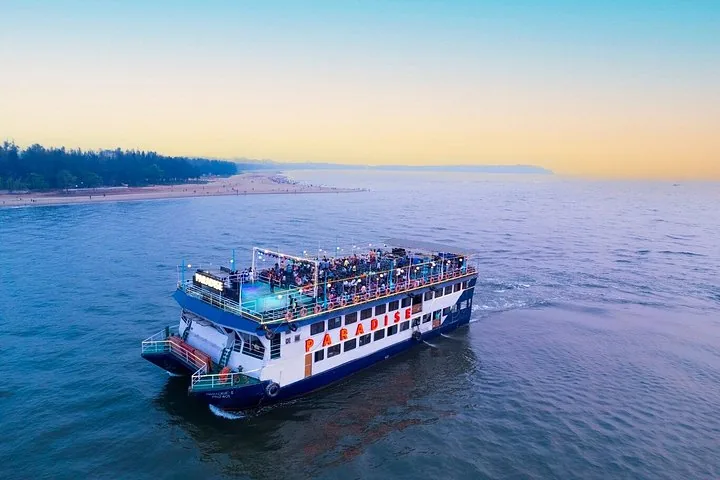
Under normal conditions, ferries cross the Mandovi River every 15 to 30 minutes from 6:00 AM until past midnight. Pedestrians and two-wheelers ride free year-round. Cars and commercial vehicles pay a toll ranging from INR 10 to INR 40 per trip.
Questions travellers ask
Is Divar Island open every day?
Yes, the island is open 24/7 year-round. However, most historic churches limit visitor access to hours between 9:00 AM and 5:00 PM.
What is the best month for cycling on Divar Island?
December and January offer the coolest temperatures for cycling across the island's 10-kilometer length. The dry conditions make navigating the roads and dirt paths much easier.
Are there seasonal mosquitoes on the island?
Yes, mosquitoes are common near the mangroves and evening fields, especially during and right after the monsoon season. Packing mosquito repellent is strongly recommended.